
Using a knife is one of those skills that slip into daily life so easily, you almost forget how much you rely on it.
The blade itself isn’t the magic part. The way you use it is. Real knife skills aren’t flashy or theatrical. They’re practical, repeatable, and built on safety and control.
They make you more efficient both at home and in the outdoors. When you know what you’re doing, you waste less, work faster, and feel far more in control.
Below are five practical knife skills worth learning – the kind you’ll actually use.
1. Making Catch-Ready Tinder
There’s something deeply satisfying about turning an ordinary stick into the start of a fire.
No lighter fluid. No shortcuts. Just you, your knife, and a bit of focus.
Start by finding dry wood – the inside of a split branch is gold if the outside’s damp. Brace it solidly and begin shaving slow, deliberate curls. Think thin, paper-light ribbons that stay attached and build into a fluffy cluster.
2. Field Dressing Game
Field dressing is the part of the hunt that truly matters when visiting Lake Tahoe.
You roll the animal into position, take a breath, give thanks, and make the first careful incision with purpose. Keep it shallow. Stay focused.
Let the blade move with control instead of jagged force. As you open the cavity and begin removing the organs, make sure you’re thinking about cooling the meat quickly and keeping everything clean.
It’s hands-on and honest work, and it requires so much patience.
3. Safe Food Preparation
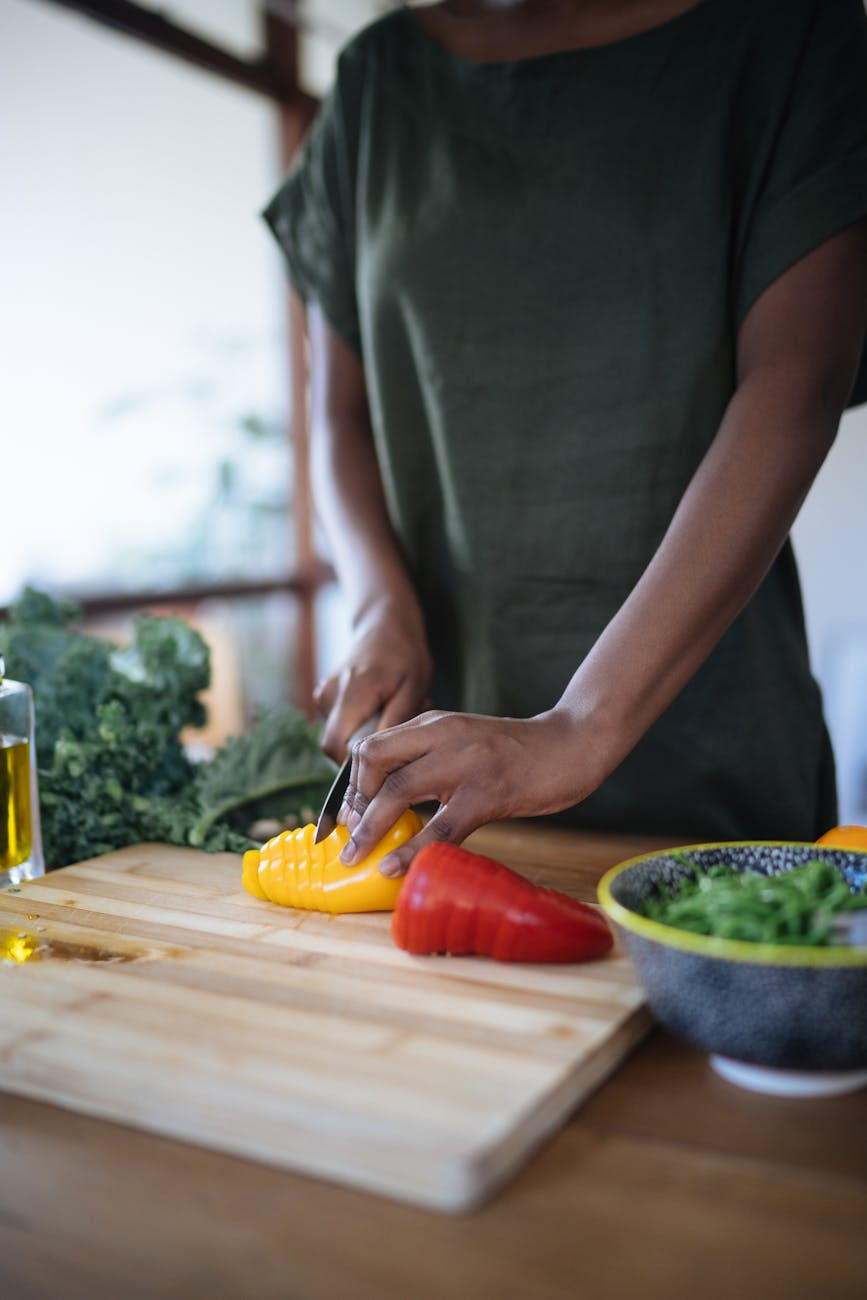
Safe food prep is one of those things that is overlooked until someone hurts themselves or cross-contaminates dinner.
Whether you’re chopping veg at home or slicing steak beside a campfire, the approach should feel the same: calm and intentional. Start with your setup. If the board shits, sort it out before you make the first cut.
Keep things clean. And choose a knife for cooking in the kitchen and at the campsite – something that feels balanced in your hands and is large enough to move through food smoothly without forcing it.
4. Sharpening Your Blade
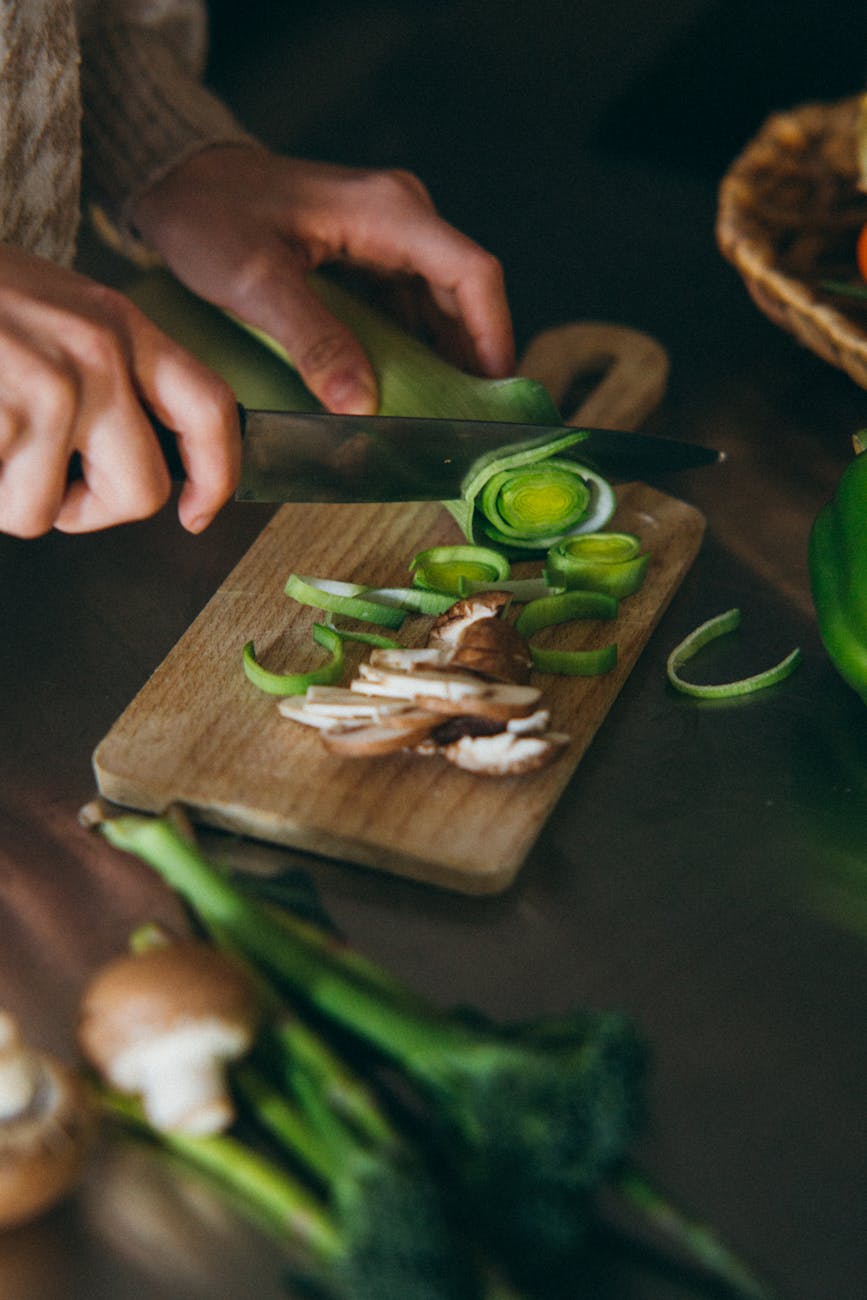
When your knife edge goes dull, you start pushing, your cuts get sloppy, and that’s when little mistakes happen. A stone brings it back.
Pick an angle you can repeat and then stick to it with slow and steady passes. You’re looking for that tiny burr along the edge – that’s the sign you’ve actually reached the apex.
Flip, repeat, and then lighten up to clean it all up. A few more strokes on a strop and the edge should feel crisp again.
5. Fish Cleaning
You’ve put in the time, made the cast, felt the pull, and caught your fish – now it’s time to finish the job properly.
Start with a razor-sharp fillet knife and a solid surface you can control. Scale from tail to head in confident strokes. Slit the belly open cleanly, remove the insides with care, and then rinse the cavity with clean water.
Done right, fish cleaning feels satisfying – part respect for the kill, part skill, and all about honoring what you’ve harvested.
To End
Knife skills are about being capable when it counts. Master these five basic skills above, and your knife will become so much more than just a simple tool.
 A New Life Wandering